Call us now :08045801127
 Send Inquiry
 Send Inquiry
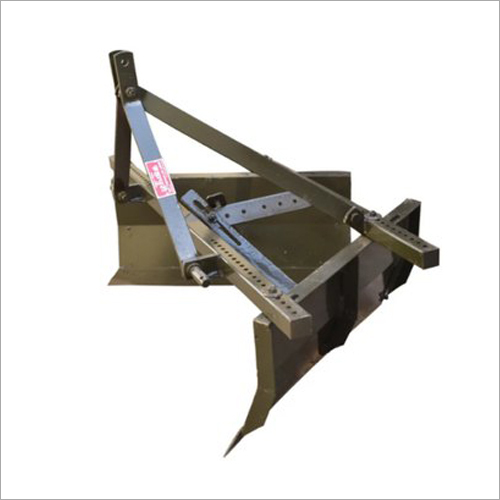
Plough Type Bund Former
Plough Type Bund Former Specification
- Product Type
- Bund Former
- General Use
- Bund making in agricultural fields
- Material
- Mild Steel / Heavy Duty Steel
- Type
- Plough Type
- Capacity
- 0.3-0.6 hectare/hour (depending on soil)
- Weight (kg)
- Approximately 120-150 kg
- Computerized
- No
- Automatic
- No
- Control System
- Manual (tractor-operated)
- Drive Type
- Tractor PTO Driven
- Power Source
- Tractor
- Handles
- No
- Cutting Width
- Adjustable (typically 24-48 inches)
- Blade Length
- 24-48 inches (adjustable as per requirement)
- Span Length
- Up to 1000 mm
- Power
- Use with 30 HP and above tractor
- Dimension (L*W*H)
- Approx. 1750 x 1150 x 950 mm
- Feature
- Heavy Duty, Durable, Adjustable working width
- Color
- Red/Orange (may vary by manufacturer)
- Maintenance
- Low maintenance required
- Hitch Type
- 3 Point Linkage, Cat-I or II
- Surface Finish
- Powder Coated or Painted
- Suitable Crops
- Paddy, Sugarcane, Cotton, Vegetables, etc.
- Working Depth
- Up to 200 mm
- Number of Discs/Blades
- 2 Plough Type Blades
- Main Application
- Used for making field bunds and irrigation channels
- Portability
- Field Portable, Tractor Mounted
- Frame Type
- Robust, Adjustable Steel Frame
About Plough Type Bund Former
We have been serving our respected clients for the past 24 years by manufacturing and supplying excellent quality Plough Type Bund Former. We have a team of skilled workers and experienced professionals who work in close coordination to deliver a flawless range of products to our clients. These are widely used for ploughing purposes in agricultural fields. Owing to numerous qualities like high strength, excellent performance, and corrosion resistant body, this Plough Type Bund Former is highly praised and demanded among our valued clients. Moreover, we deliver our products in a promised time frame.
Efficient Bund Making for Diverse Crops
Constructed for durability and compatibility, this Plough Type Bund Former seamlessly creates well-shaped bunds and irrigation channels in fields growing paddy, cotton, sugarcane, and vegetables. Its customizable depth and width ensure optimal bund formation for various crop requirements, thereby enhancing irrigation and soil retention. With a heavy-duty mild or steel frame and powder-coated finish, it endures rigorous field conditions, promising a long service life.
Easy Mounting and Versatility
Fitted with a 3-point hitch (Cat-I or II), this bund former mounts easily on tractors with 30 HP or above. The adjustable plough blades and span allow operators to customize bund size as per field needs. Simple manual control, robust construction, and portability ensure the machine adapts well to different plot sizes and soil types, allowing farmers to boost field preparation efficiency and crop health.
Low Maintenance, High Productivity
Engineered for low maintenance and reliable field performance, this bund former delivers an impressive working capacity of 0.3-0.6 hectare/hour, depending on soil conditions. Its steel structure minimizes downtime, while tractor PTO drive reduces the need for frequent servicing. Powder-coated or painted surfaces protect against rust and environmental wear, lowering overall maintenance efforts for users.
FAQs of Plough Type Bund Former:
Q: How does the Plough Type Bund Former operate in the field?
A: The Plough Type Bund Former attaches to a 30 HP or above tractor using a 3-point linkage system (Cat-I or II). As the tractor moves forward, the machines robust steel frame and two adjustable plough blades cut into the soil, forming bunds or irrigation channels up to 200 mm deep and up to 48 inches wide, depending on settings.Q: What are the primary benefits of using this bund former over manual bund creation?
A: This machine greatly increases efficiency, enabling bund creation at a rate of 0.3-0.6 hectares per hour, compared to much slower manual methods. It also provides precise bund dimensions, strengthens bund integrity, and reduces labor costs while supporting consistent crop irrigation and soil conservation.Q: For which crops is this machine most suitable?
A: The Plough Type Bund Former is ideal for crops that require distinct bunds or irrigation channels, including paddy, sugarcane, cotton, various vegetables, and other field crops. Its adjustable features accommodate the specific needs of different crop types and planting patterns.Q: What soil and field conditions are best suited for this machines use?
A: This bund former performs optimally in agricultural fields with moderate to heavy soil. It is designed for open plots where bunds or water channels are needed and can be adjusted to handle a variety of soil textures and field layouts. It is also field portable, making it easy to move between plots or fields.Q: What adjustments can operators make during bund formation?
A: Operators can adjust the working width (24-48 inches) and blade length, as well as the depth of formation (up to 200 mm), to match the fields size and crop requirements. The sturdy, adjustable steel frame ensures repeatable results and accommodates varying bund dimensions as required.Q: How much maintenance does the machine require?
A: The machine is designed for low maintenance due to its durable steel construction, powder-coated or painted surfaces for rust resistance, and simple manual operation. Regular cleaning and periodic lubrication of moving parts are recommended for prolonged service life.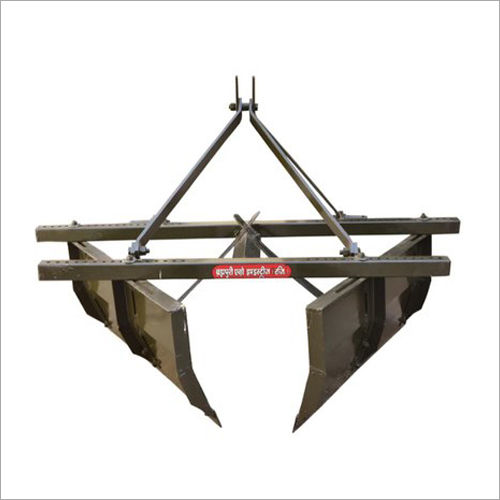
Tell us about your requirement

Price:
Quantity
Select Unit
- 50
- 100
- 200
- 250
- 500
- 1000+
Additional detail
Mobile number
Email

More Products in Tractor Attachment Parts Category
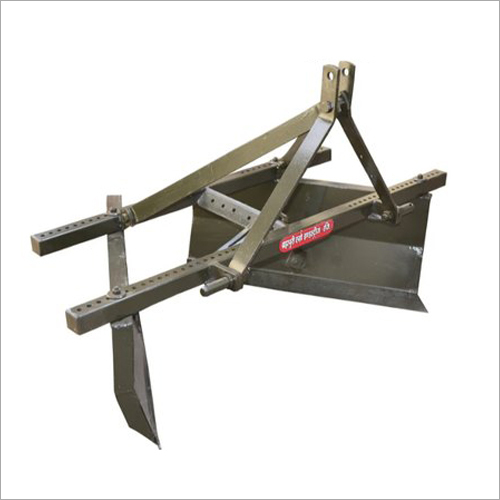
Agriculture Bund Former
Weight (kg) : 210 kg
Power : Requires 35 HP Tractor Minimum
Color : Blue
Cutter Type : Other, Bund Shaping Blades
Product Type : Bund Former Implements
Dimension (L*W*H) : 2100 x 1550 x 1300 mm
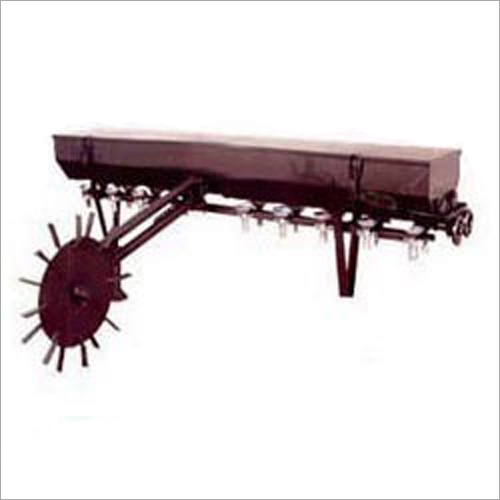
Seed Cum Fertilizer Drill Machine
Weight (kg) : Approx. 200250 kg
Power : Suitable for 35 HP and above tractors
Color : Other, Green/Red (as per manufacturer)
Cutter Type : Other, Furrow openers / Tynes
Product Type : Seed Cum Fertilizer Drill Machine
Dimension (L*W*H) : Approx. 2200 x 1100 x 1050 mm
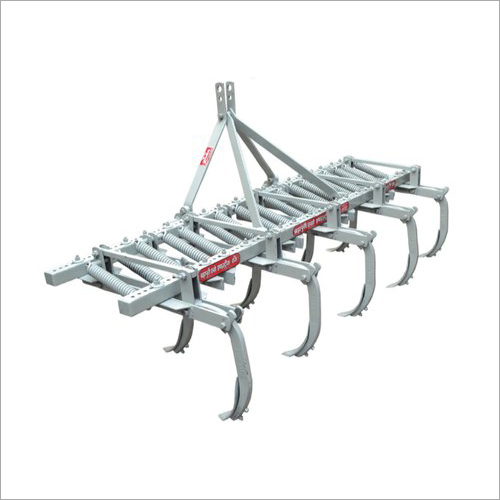
Lever Spring Cultivator
Weight (kg) : Around 150220 kg (Depending on Model)
Power : Suitable for 35 HP and above tractors
Color : Other, Green / Custom
Cutter Type : Other, Spring Loaded Tines
Product Type : Spring Cultivator
Dimension (L*W*H) : Variable as per model (Approx. 2000x1200x1000 mm)
Tractor Agriculture Bund Former
Weight (kg) : 120180 kg (Depends on model) Kilograms (kg)
Power : Suitable for 35 HP and above tractors Horsepower (HP)
Color : Other, Green or as per manufacturer standard
Cutter Type : Other, Heavy Duty Bunding Blade
Product Type : Agriculture Bund Former
Dimension (L*W*H) : 1800 x 1000 x 1050 mm (Approx.) Millimeter (mm)


 Send Inquiry
Our Products

No. 146, Mangla Mata Marg, Bada Akhada, Brahmpuri, Jaipur - 302002, Rajasthan, India

Mr Pradeep Gupta
(Proprietor)
Mobile :08045801127
 Send Inquiry
 Send SMS
Developed and Managed by Infocom Network Private Limited.
